繁体中文
繁体中文 简体中文
简体中文 Deutsch

Whether you're building new or renovating, choosing the right aluminum windows can transform your home's comfort, energy performance, and curb appeal. This guide covers everything you need to know about casement windows, awning windows, and double glazed aluminum systems.
- Why aluminum windows dominate modern architecture
- Casement windows: maximum ventilation and clean lines
- Awning windows: weather-resistant airflow
- Double glazed aluminum: the energy efficiency upgrade
- Casement vs. awning — which is right for you?
- Installation, maintenance & lifespan
- FAQ
1. Why Aluminum Windows Dominate Modern Architecture
Aluminum windows have become the material of choice for architects and homeowners worldwide — and for good reason. The alloy is inherently strong, allowing frames to be slimmer than wood or uPVC equivalents while supporting larger glass panes. That means more natural light, less visible frame, and a sleek aesthetic that suits everything from minimalist apartment blocks to coastal family homes.
Beyond aesthetics, aluminum is remarkably durable. It does not rot, warp, or swell with moisture changes, making it ideal for climates with high humidity or dramatic temperature swings. Modern powder-coated finishes resist fading and corrosion for decades, and because aluminum is infinitely recyclable, it is one of the most sustainable framing materials available.
When paired with a double glazed unit, aluminum frames deliver competitive thermal performance — often matching timber in real-world conditions once thermal breaks are factored in.

2. Casement Windows: Maximum Ventilation and Clean Lines
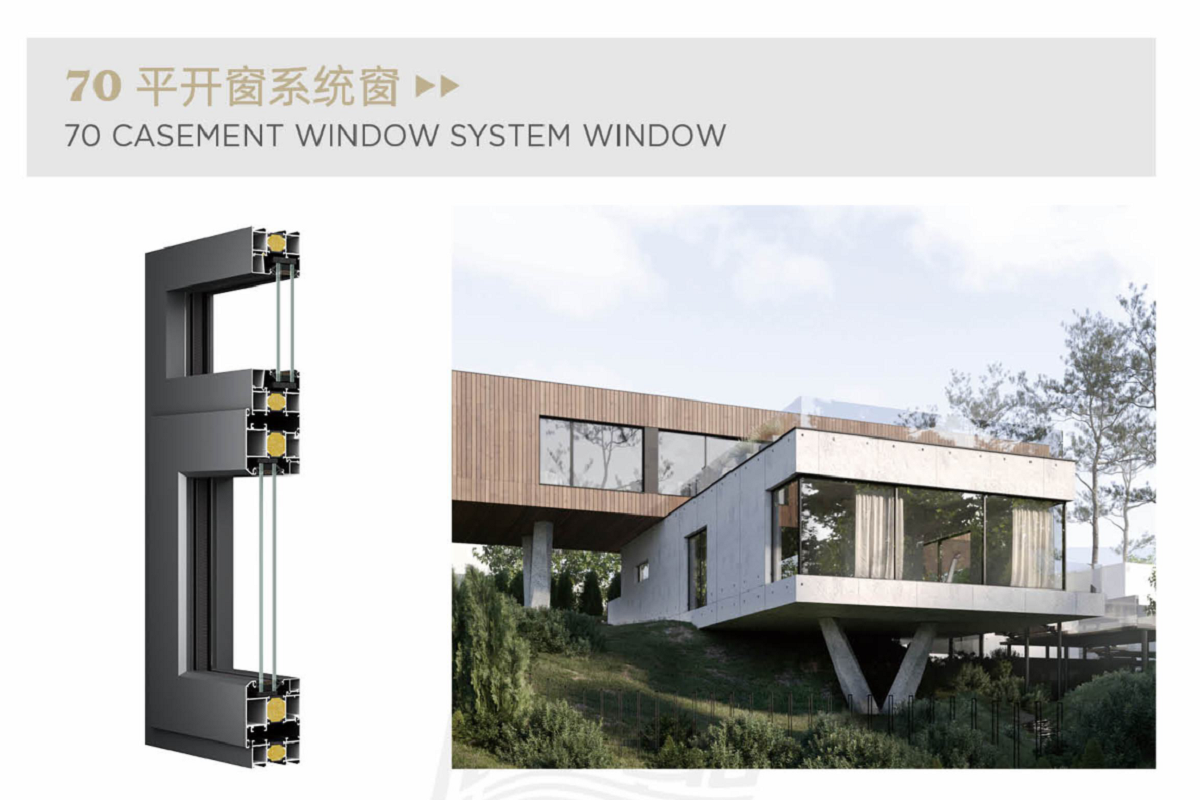
A casement window is hinged on one vertical side and swings outward (or occasionally inward) like a door. It is one of the most popular window styles globally because of its simplicity and versatility. In an aluminum casement window, the slim frame maximizes the glazed area, delivering panoramic views and an unobstructed flood of daylight.
How casement windows ventilate
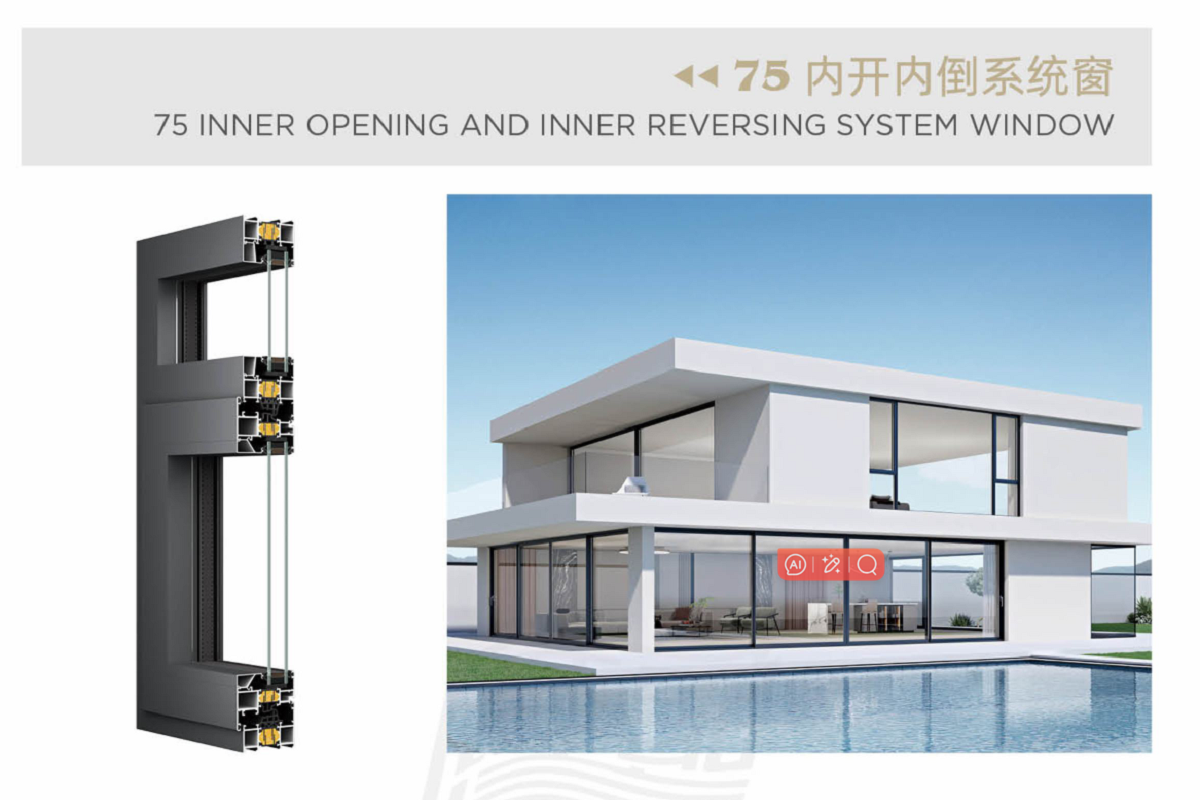
Opening the sash at a 90-degree angle allows the frame itself to act as a wind scoop, directing airflow directly into the room. This makes casement windows particularly effective in coastal or naturally breezy environments where passive cooling can reduce reliance on air conditioning.
From an energy standpoint, casement windows seal tightly when closed because the sash compresses against the frame under wind pressure. Combined with a double glazed unit, an aluminum casement can achieve low U-values that satisfy modern building codes in Australia, Europe, and North America.
"Aluminum casement windows with thermally broken frames and double glazing now routinely achieve U-values of 1.4–1.8 W/m²K — well within the requirements of most residential energy codes worldwide."
Best applications for casement windows
Casement windows suit living rooms, bedrooms, and any space where you want an uninterrupted glass panel. They work especially well as feature windows flanking a fixed light, or as part of a bifold or stacking system along an entire wall. Their outward-opening design is also preferred where insect screens are needed, as the screen sits on the interior and remains undisturbed when the window is operated.
3. Awning Windows: Weather-Resistant Airflow
An awning window is hinged at the top and opens outward from the bottom, creating a canopy-like profile. The geometry is deliberate: rain hitting the glass runs down and away from the opening, meaning you can leave an awning window cracked open even during a light shower without water entering the room.
In aluminum awning windows, the thermal break technology that runs through the frame prevents cold-bridging in cooler climates, while the inherent rigidity of aluminum means even wide awning units operate smoothly for decades without sagging hinges.
Where awning windows excel
Awning windows are the go-to solution for bathrooms, kitchens, and laundries where continuous ventilation is needed regardless of weather. They are also popular installed high on a wall to provide privacy and airflow simultaneously, or in combination with large fixed aluminum panes where the awning provides the operable section below or above the fixed glass.
4. Double Glazed Aluminum: The Energy Efficiency Upgrade
Double glazed windows consist of two panes of glass separated by a sealed air or gas-filled cavity, typically 6–20 mm wide. This cavity dramatically reduces heat transfer compared to a single pane, keeping interiors warmer in winter and cooler in summer. When installed in an aluminum frame with a thermal break — a strip of low-conductivity material that interrupts the metal's path through the frame — a double glazed aluminum window becomes a genuinely high-performance building product.
Gas fills and low-e coatings
Standard double glazed units are filled with dehydrated air. Premium units use argon or krypton gas, which conducts heat less efficiently than air and improves thermal performance by a further 10–20%. Pairing gas fill with a low-emissivity (low-e) coating on the inner glass surface further reduces radiant heat transfer, making double glazed aluminum windows suitable even for cold-climate passive house construction.
Acoustic benefits
Beyond thermal performance, double glazing provides significant acoustic attenuation. The cavity breaks the direct transmission path of sound waves, reducing external noise by 25–35 dB depending on glass thickness and cavity width. For homes near roads, rail lines, or flight paths, specifying double glazed aluminum windows is one of the highest-return acoustic upgrades available.
5. Casement vs. Awning — Which Is Right for You?
| Feature | Casement window | Awning window |
|---|---|---|
| Hinge position | Side (vertical) | Top (horizontal) |
| Opening direction | Swings left or right | Bottom swings out |
| Ventilation in rain | Must be closed | Can stay open |
| View / glass area | Maximized sightlines | Slightly reduced |
| Best location | Living areas, bedrooms | Bathrooms, kitchens, high walls |
| Privacy | Standard | Higher when installed high |
| Double glazing compatible | Yes | Yes |
In practice, many homeowners combine both types in a single project. A typical arrangement places casement windows on the main living facades for maximum views, while awning windows handle wet areas and high-level openings. Both are available with double glazing and in the same aluminum finish, so the overall aesthetic remains cohesive.

6. Installation, Maintenance & Lifespan
Professional installation is essential for aluminum windows to perform as designed. Incorrect flashing or inadequate sealant around the frame can allow water ingress that undermines even the best double glazed unit. Reputable suppliers provide technical support and installation guides; always verify that your installer follows the manufacturer's requirements to maintain warranty coverage.
Maintenance is straightforward. Wipe frames with a mild detergent solution and rinse annually. Lubricate hinges and hardware with a silicone-based spray every one to two years. Inspect the perimeter seal of the double glazed unit — if you notice condensation between the panes, the seal has failed and the unit requires replacement. With correct care, quality aluminum casement and awning windows routinely last 40–50 years.
7. Frequently Asked Questions
Powder-coat palettes typically include 200+ standard colors plus custom matches. Popular choices include Surfmist, Woodland Grey, Basalt, Satin Black, and Anodized Silver. Most manufacturers offer a minimum 10-year finish warranty.
Compare aluminum casement windows, awning windows, and double glazed systems with a qualified supplier to find the best fit for your project's orientation, climate, and budget.